


A Parallel Universe
- Vernon C. Lindsay, PhD
- 8 hours ago
- 2 min read


“Do you believe life exists on another planet? Is there a parallel universe that we can’t see?” My son asked me these questions as I put shoes on to take him to football/soccer practice.
I unlocked the car doors, sat in the driver’s seat, and fastened my seatbelt before I replied.
“It’s possible. Much of this world is yet to be discovered by scientists and our current technologies. There are portions of the oceans that we have yet to explore.”
The conversation shifted as I pulled out of the driveway. We briefly discussed Spain’s win of the World Cup, and then I dropped him at practice. My son left, but his parallel-life questions stayed.
Some of us live in a parallel world on Earth.
Consider the realities of a person with a disability. We share this planet, but physical, visible, mental, or cognitive challenges influence different experiences.
The skills, knowledge, and abilities of people with disabilities are often ignored, undermined, or disregarded. Consider the added socially and historically constructed layers of race, racism, gender, class, age, sexuality, or other factors influencing identity, and the complexity of disability expands.
While doing research for a PsychDiscourse article, I learned about the societal contributions of Brad Lomax, Lois Curtis, and Claudia Gordon. They and many others have championed better housing conditions and justice for people with disabilities.
July is Disability Pride Month, and the occasion calls us to pause and remember the limited resources available to people with disabilities in our communities. While we’ve made some progress since the Americans with Disabilities Act, we can do more to foster inclusive and accessible programs and services.
Thinking outside of ourselves is the first and foremost thing we can do to change our communities.
I’m not asking you to do anything that I don’t need to do myself.
Last week, I ran sixty miles and trained capoeira across multiple days. This week I ran again, practiced capoeira some more, and jumped on trampolines at Sky Zone with my children for 2.5 hours. I didn’t question my physical or mental fitness to do any of these activities for more than a second.

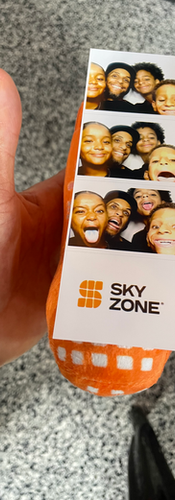



While at Sky Zone, I didn’t seek accessibility accommodations. My children and I entered the building, signed waivers, paid the admission fees, and jumped. For a family with disabilities, the option to exercise at a trampoline park is often off limits.
Accessibility to recreational resources is one of many concerns that an individual with a disability may frequently encounter. Significant barriers abound in the criminal justice and education systems. Read my article in PsychDiscourse for a longer discussion of this topic.

In the article, I noted how Black people with disabilities are more likely to be placed in prisons and segregated in schools.
This week, I want to encourage us to commit to thinking more about the lives of people with disabilities and justice pursuits that might merge parallel worlds.
Subscribe to this blog, enroll in a leadership course, buy one of my books, or explore coaching services. Together, we are stronger.

Everyone has a disability, some of whom have a more physical presentation of it and are extremely challenged by the so called 'able world'.